While both substrates are used in high-performance electronics, Ceramic PCBs (specifically Aluminum Nitride) offer superior thermal conductivity compared to standard Copper-based Metal Core PCBs (MCPCBs). This is primarily because Ceramic PCBs eliminate the need for the thermally resistive dielectric layer required in MCPCBs, allowing for direct heat dissipation and better coefficient of thermal expansion (CTE) matching. For applications demanding extreme reliability and high-power density, Ceramic is the industry standard; for cost-effective, high-volume manufacturing, Copper-based MCPCBs remain the preferred choice.
Understanding the Foundations: Ceramic vs. Copper-Based PCBs
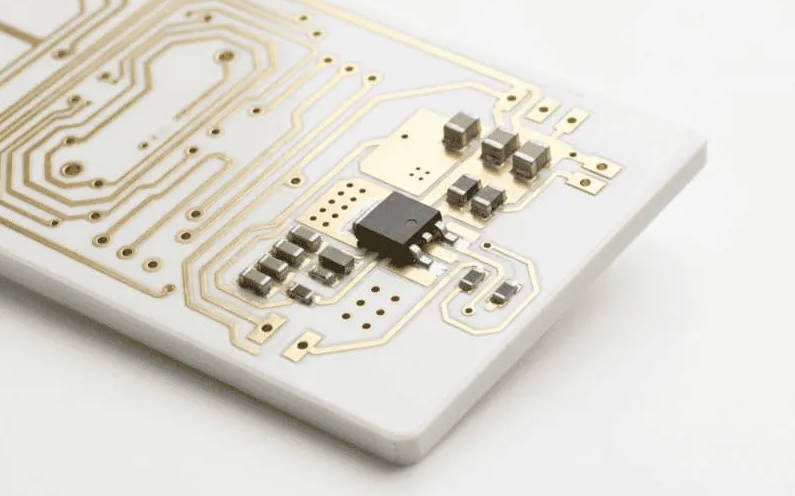
To determine the best solution for thermal management, one must first distinguish between the two technologies. A Ceramic PCB is constructed using a ceramic base material—typically Alumina (Al2O3), Aluminum Nitride (AlN), or Beryllium Oxide (BeO). These materials are inherently insulating yet thermally conductive, serving as both the base and the dielectric layer simultaneously.
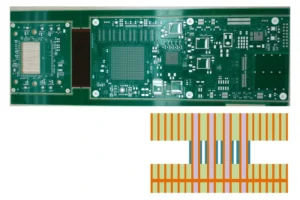
Conversely, what is often referred to as a “Copper PCB” in the industry is technically a Metal Core PCB (MCPCB). This structure consists of a metal base (usually Aluminum or Copper), a layer of thermally conductive but electrically insulating dielectric (prepreg), and a top layer of copper foil for circuitry. Understanding this structural difference is the key to mastering PCB thermal management.
The Thermal Conductivity Showdown
When analyzing thermal conductivity of PCB substrates, the numbers are telling. Copper itself has a very high thermal conductivity (~380-400 W/mK), but in an MCPCB, the heat must pass through the dielectric material to reach the copper core. This dielectric layer is the “thermal bottleneck.”
Ceramic materials, particularly Aluminum Nitride (AlN), boast thermal conductivities ranging from 170 to 230 W/mK. While the raw material conductivity of Copper is higher, the system-level thermal conductivity of a Ceramic PCB frequently outperforms an MCPCB. Because the ceramic *is* the board, the thermal resistance path is significantly shorter and more efficient, reducing junction temperatures in high-power components like LEDs and power transistors.
The Critical Role of the Dielectric Layer
The dielectric layer is the “hidden” variable in this comparison. In Copper-based MCPCBs, the dielectric must balance two competing needs: electrical insulation and thermal conductivity. Even the highest-performing dielectric materials have a thermal conductivity significantly lower than the copper or aluminum core, typically ranging between 1 W/mK and 5 W/mK. This thin layer acts as a thermal barrier, trapping heat at the component level.
In contrast, Ceramic PCBs operate without this interface. Heat moves directly from the component pads into the ceramic substrate. This eliminates the risk of dielectric delamination or degradation over time, which is a common failure mode in high-heat environments. For engineers designing high-power electronics, this structural simplicity provides a significant margin of safety regarding thermal throttling and long-term component reliability.
Comparison Table: Ceramic vs. Copper MCPCB
| Feature | Ceramic PCB (AlN/Al2O3) | Copper-Based MCPCB |
|---|---|---|
| Thermal Conductivity | High (Inherently thermally conductive) | Variable (Limited by Dielectric Layer) |
| Dielectric Layer | Not Required | Required (The “Bottleneck”) |
| CTE Matching | Excellent (Matches Silicon/GaN) | Fair (Requires careful management) |
| Manufacturing Cost | High | Moderate/Low |
| Mechanical Strength | Brittle | Durable/High |
When to Choose Which: Real-World Applications
Selecting the right board depends on the specific thermal dissipation requirements of the design. Ceramic PCBs are the gold standard for high-frequency, high-power density applications. They are essential in aerospace, defense, and high-end automotive systems, such as LiDAR or power inverters, where component longevity is non-negotiable and the coefficient of thermal expansion (CTE) of the ceramic closely matches the silicon die, preventing mechanical stress.
On the other hand, Copper-based MCPCBs are the workhorses of the lighting industry. For LED lighting, industrial power supplies, and consumer electronics where the balance of performance and cost is critical, MCPCBs provide an adequate solution. If the heat density does not exceed the threshold of the dielectric layer’s capacity, there is often no financial justification for the increased expense of a ceramic substrate.
Final Verdict: Choosing the Right PCB for Your Project
When asking, “Which has better thermal conductivity?” the answer is nuanced. If your metric is the conductivity of the material itself, copper is superior. However, if your metric is the thermal management efficiency of the entire PCB assembly, Ceramic PCBs are the winner. By removing the thermally restrictive dielectric layer, Ceramic PCBs allow for faster, more efficient heat transfer away from sensitive components.
Evaluate your design’s thermal budget and cost constraints. If you are operating at the edge of power density or require extreme environmental stability, invest in Ceramic. If you are optimizing for mass production and standard thermal loads, a well-engineered Copper MCPCB will provide the performance you need without the premium cost.
Primary Keywords: Ceramic PCB, Copper PCB, thermal conductivity, PCB thermal management.
Long-Tail Keywords: difference between ceramic and metal core PCB, thermal conductivity of PCB substrates, best PCB for high power LED, PCB thermal dissipation comparison, ceramic vs MCPCB thermal performance.